
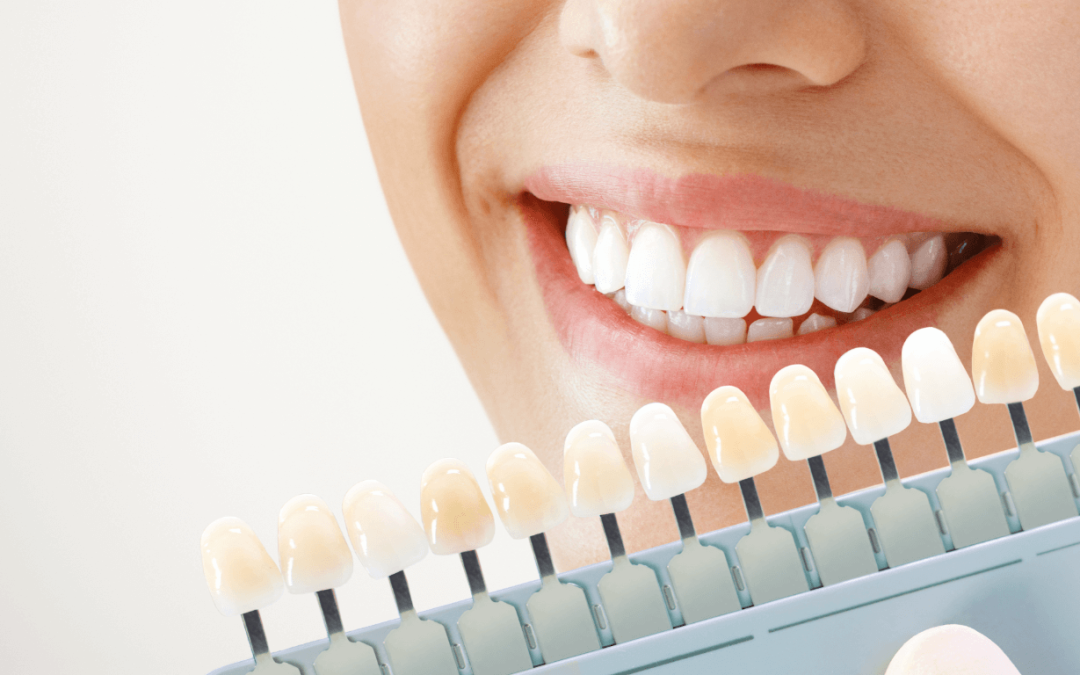
A brighter smile can make you feel more confident in everyday life. Many people want whiter teeth, but choosing the right method is not always easy. Some prefer quick products from the store, while others visit a dentist for expert care. At Creative Smiles, we believe every smile is different, so understanding your options helps you make a smart decision. With so many whitening choices available today, knowing the differences can help you avoid disappointment and select the option that best fits your needs.
Whether you are preparing for a special occasion or simply want to refresh your smile, it is important to know what each whitening option can offer. Every method has its own benefits, limitations, and expected results. Learning about these differences can help you avoid unnecessary costs and choose an option that suits your smile, lifestyle, and long-term oral health goals. This guide will help you compare both options so you can make a confident and informed decision.
Key Takeaways
- Learn the differences between in-office and at-home whitening options.
- Understand which method offers better safety and lasting results.
- Discover what to expect before, during, and after treatment.
- Find out how to keep your smile brighter for a longer time.
Why Do Teeth Become Stained?
Over time, teeth naturally lose some of their brightness. Daily habits, aging, and certain foods slowly affect the outer layer of the teeth. While some stains stay on the surface, others move deeper into the enamel, making them harder to remove. Understanding the cause of discoloration helps you choose the most effective whitening option instead of wasting time on treatments that may not match your needs. Different teeth whitening treatments are designed to address different types of stains, making it important to choose the right solution for the best results.
Common reasons for tooth discoloration include:
- Coffee, tea, red wine, and dark-colored drinks.
- Smoking or using tobacco products.
- Natural aging that thins enamel over time.
- Certain medications or past dental injuries.
Surface stains often respond well to simple whitening methods, while deeper stains usually require stronger care from a dental professional.
What Makes Professional Teeth Whitening Different?
Unlike products sold in stores, professional teeth whitening is performed under the supervision of a dental expert. The treatment uses carefully selected whitening agents that are stronger than most over-the-counter options while still protecting your teeth and gums. Because every smile is unique, the dentist adjusts the treatment based on your tooth color, sensitivity, and overall oral health.
Many patients notice a visible improvement after just one appointment. The process is also designed to reduce uneven whitening and lower the chance of irritation when compared with unsupervised methods.
Benefits include:
- Faster and more noticeable whitening results.
- Customized treatment based on your smile.
- Better protection for sensitive teeth and gums.
- Longer-lasting brightness with proper care.
How Do Store-Bought Whitening Kits Work?
Store-bought products are popular because they are easy to find and usually cost less than professional care. These products include strips, trays, gels, toothpaste, and whitening pens. Most contain lower-strength whitening ingredients, which means they often require repeated use before noticeable changes appear.
Results vary from person to person because these kits are made for general use rather than individual dental needs. They can improve mild surface stains, but they may not remove deeper discoloration or provide even whitening across every tooth.
Some people also experience gum irritation or tooth sensitivity when the products are not used exactly as directed. Reading instructions carefully and avoiding overuse can help reduce these issues.
Comparing Results: Which Option Delivers Better Value?
Choosing between a dental visit and an at-home product often depends on your goals. If you want a quick improvement for a wedding, interview, or special event, professional care usually provides faster and more even results. If your stains are light and you do not mind waiting, a store-bought kit may help over time. Looking beyond the price can help you understand the real value of each choice.
| Feature | Professional Care | Store-Bought Kits |
|---|---|---|
| Speed | Often completed in one visit | May take several weeks |
| Whitening Strength | Higher and carefully controlled | Lower concentration |
| Safety | Supervised by a dentist | Depends on correct use |
| Results | Even and predictable | Can vary from person to person |
| Longevity | Lasts longer with proper care | May require frequent touch-ups |
Although the upfront cost is higher, many people find that professional care saves time and provides more reliable results.
Is One Option Safer Than the Other?
Safety should always come before appearance. Whitening products are designed to brighten teeth, but they must be used correctly. Before any whitening begins, a dentist checks for cavities, worn enamel, gum disease, or other problems that could affect the outcome. This step helps prevent discomfort and supports healthier results.
People who use over-the-counter products without knowing the cause of their tooth discoloration may not achieve the improvement they expect. In some cases, whitening products can increase sensitivity if used too often or for longer than recommended.
Simple ways to protect your smile during whitening include:
- Follow all product instructions carefully.
- Avoid using different whitening products at the same time.
- Stop treatment if pain or severe sensitivity develops.
- Visit a dentist if stains do not improve after proper use.
How Long Do Whitening Results Last?
Whitening is not permanent, but good habits can help keep your smile brighter for a longer time. The exact length of results depends on your daily routine, food choices, and oral hygiene. People who drink dark beverages often or smoke may notice stains returning more quickly than others.
Regular brushing, flossing, and dental checkups all play an important role in maintaining your results. Some people also benefit from occasional touch-up treatments based on their dentist’s recommendation.
You can also explore patient resources on our website to learn more about caring for your smile after treatment and maintaining long-term oral health.
Simple Habits That Help Maintain a Brighter Smile
Keeping your teeth bright does not require major lifestyle changes. Small daily habits often make the biggest difference. Good oral care helps prevent new stains from building up and allows whitening results to last longer.
Helpful habits include:
- Brush twice each day using fluoride toothpaste.
- Rinse your mouth after coffee, tea, or colored drinks.
- Drink more water throughout the day.
- Schedule regular dental cleanings to remove surface stains.
When Should You Choose a Professional Solution?
Not every stain responds the same way. Some discoloration stays on the surface, while other stains develop deep inside the tooth. If you have tried several products without success, or if your teeth have uneven color, it may be time to seek expert advice.
A dentist can identify the reason behind the discoloration and recommend the most suitable option. In many cases, stronger dental bleaching techniques performed under professional supervision provide more consistent and natural-looking results than products purchased off the shelf.
Before beginning any whitening plan, speaking with our dental team can help you understand what to expect, whether you have sensitive teeth, existing dental work, or questions about long-term care.
How to Decide Which Whitening Option Is Best for You?
The right choice depends on your smile goals, budget, and dental health. Some people want quick results before a special occasion, while others are comfortable with a slower approach at home. The best option is the one that fits your needs and protects your teeth at the same time.
If your stains are mild, an at-home product may offer gradual improvement. However, if your teeth have deeper discoloration, uneven shades, or you want faster results, professional care is often the better investment. A dental examination can also identify hidden problems that should be treated before any whitening begins.
Whether you choose an at-home kit or an in-office procedure, following good oral hygiene habits and your dentist’s advice will help maintain a brighter smile for longer.
Conclusion
Choosing the right way to brighten your smile is about more than appearance. It is also about protecting your oral health and getting results that last. Taking time to understand the benefits, limits, and safety of each option helps you make a confident decision that suits your needs and lifestyle.
A trusted dentist can evaluate your smile, explain the available options, and recommend the approach that fits your goals. With the right care and healthy daily habits, you can enjoy a cleaner, brighter smile for years to come.
Ready to achieve a brighter, healthier smile? Contact the team at Creative Smiles today to schedule your consultation and discover the best whitening solution for your needs.
Frequently Asked Questions
2. How long will my whitening results last?
Results vary from person to person. Good oral hygiene, regular dental visits, and limiting stain-causing foods and drinks can help maintain a brighter smile for many months.
3. Can I whiten teeth with crowns or fillings?
No. Whitening products work only on natural teeth. Existing crowns, veneers, and fillings will not change color, so your dentist may recommend a treatment plan to maintain a balanced appearance.
4. Is tooth sensitivity common after whitening?
Some people experience mild sensitivity for a short time after treatment. This usually fades within a day or two. Your dentist may recommend products designed for sensitive teeth if needed.
5. How often should I whiten my teeth?
The ideal timing depends on your lifestyle and oral health. Instead of whitening too often, it is best to follow your dentist's recommendations and maintain good daily oral care.