
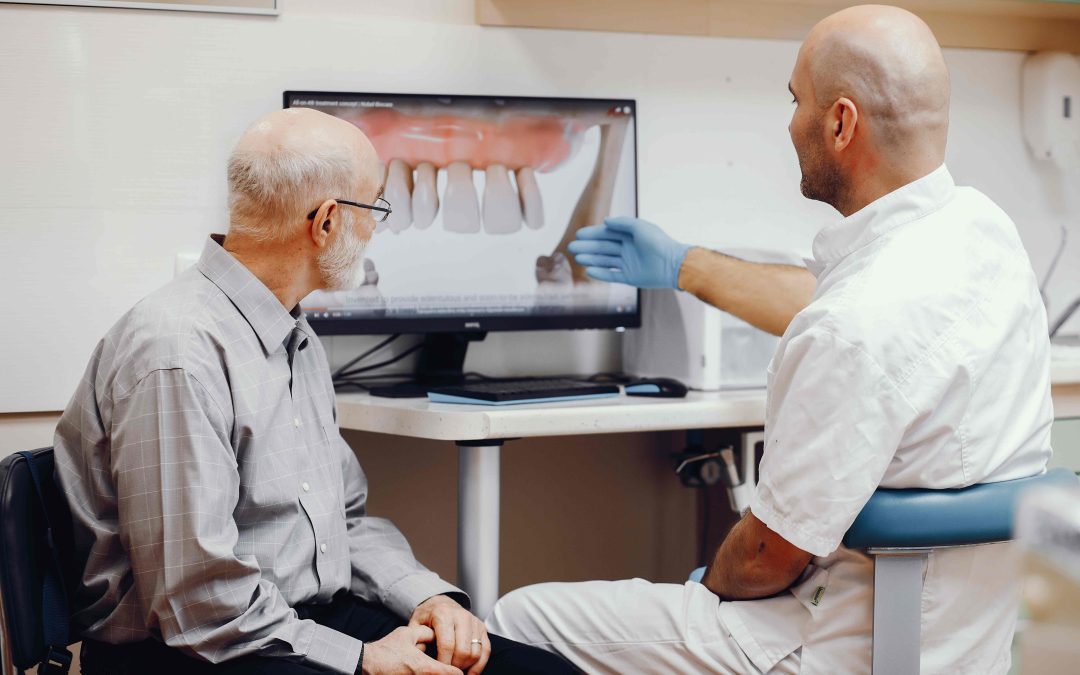
Dental implants are designed to replace missing teeth and provide a stable foundation for a crown, bridge, or other restoration. One of the most common questions people have before treatment is, how long do dental implants last?
With proper care and regular dental checkups, dental implants can last for many years. The implant itself can potentially remain in place for decades, while the crown or other restoration attached to it may need replacement sooner because it is exposed to everyday chewing and wear.
The implant lifespan depends on several factors, including oral hygiene, bone health, smoking, bite forces, the condition of the surrounding gums, and regular dental maintenance. Understanding these factors can help implant candidates take better care of their replacement teeth over time.
How Long Do Dental Implants Last?
Dental implants can have a long service life when they are properly placed and maintained. However, there is no guaranteed lifespan that applies to every patient.
The implant consists of a post placed into the jawbone, an abutment that connects the implant to the restoration, and a crown or other replacement tooth. Each component has a different role and may have a different expected lifespan.
The implant post is designed to integrate with the surrounding bone. Once healing is complete, it can provide a stable base for the replacement tooth. The visible crown experiences regular pressure from biting and chewing, so it can eventually show signs of wear.
This means patients should think about implant longevity as an ongoing process rather than a treatment with a fixed expiration date.
What Affects Implant Lifespan?
Several factors can influence the implant lifespan. Some are related to the patient’s oral health, while others involve habits, maintenance, and the condition of the implant and surrounding tissues.
Oral Hygiene
Good oral hygiene is important for maintaining the tissues around an implant. Although an implant cannot develop a cavity in the same way as a natural tooth, the surrounding gums and bone can still be affected by inflammation and infection.
Brushing twice a day, cleaning between the teeth, and following the cleaning recommendations provided by your dental team can help maintain the area around the implant.
Gum and Bone Health
Healthy gums and adequate supporting bone are important for implant stability. Conditions affecting the tissues around an implant can contribute to bone loss if they are not addressed.
Patients who have previously experienced gum problems may need particularly careful monitoring after implant treatment.
Regular examinations allow dental professionals to check the condition of the implant, gums, and surrounding bone.
Smoking and Tobacco Use
Smoking can affect healing and oral health. It may also increase the risk of complications around dental implants.
If you smoke or use tobacco, discuss this with your dentist before implant treatment. Your dental team can explain how tobacco use may affect healing and long-term maintenance.
Teeth Grinding and Excessive Bite Forces
Grinding or clenching your teeth can place additional pressure on an implant and its restoration. Over time, excessive forces may contribute to wear, loosening, or damage to the crown.
If you regularly grind or clench your teeth, your dentist may recommend measures to reduce excessive pressure and protect your restoration.
Regular Dental Checkups
Regular dental visits remain important after an implant has been placed. During these appointments, your dentist can examine the implant and surrounding tissues and identify potential problems early.
Routine Preventive Dental Care Marlboro NJ and Preventive Dentistry Morganville NJ can also support overall oral health, which is important for people with dental implants.
Does Dental Implant Material Affect Longevity?
Yes. The dental implant material is one factor considered when planning implant treatment.
Most modern dental implants use biocompatible materials, commonly titanium. Titanium has been widely used in implant dentistry because of its ability to integrate with bone.
Some implants are made using zirconia, a ceramic material. The suitability of a particular implant material depends on factors such as the patient’s dental condition, treatment requirements, and the dentist’s assessment.
The material is important, but it is not the only factor that determines how long an implant lasts. Proper placement, bone health, oral hygiene, biting forces, and ongoing maintenance also play significant roles.
How Long Does the Dental Implant Crown Last?
The implant post and the crown should not be considered the same component.
The implant post is positioned within the jawbone, while the crown is exposed to daily chewing forces. As a result, the crown may experience wear or damage over time.
Factors that can affect crown longevity include:
- Daily chewing habits
- Teeth grinding
- Oral hygiene
- Material used for the crown
- Bite alignment
- Accidental damage
- Regular dental maintenance
If the crown eventually needs replacement, this does not necessarily mean the implant itself has failed. In some situations, the existing implant can continue supporting a new restoration.
How to Make Dental Implants Last Longer
Patients have an important role in maintaining their implants. Good daily habits can help protect both the implant and the surrounding oral tissues.
Brush and Clean Between Your Teeth
Brush your teeth regularly using a suitable toothbrush and toothpaste. Cleaning between teeth is also important because food and plaque can accumulate around an implant restoration.
Your dentist can recommend cleaning methods based on the type and location of your implant.
Attend Regular Dental Appointments
Do not stop attending routine dental appointments after your implant treatment is completed. Regular visits allow your dentist to monitor your oral health and identify changes around the implant.
This is part of broader Dental Care In Monmouth County, where ongoing preventive care can help maintain oral health.
Avoid Using Teeth as Tools
Using your teeth to open packages, bite hard objects, or perform tasks they are not designed for can damage natural teeth and dental restorations.
Avoiding these habits can reduce unnecessary stress on an implant crown.
Address Teeth Grinding
If you grind or clench your teeth, tell your dentist. Excessive bite pressure can affect dental restorations and may increase stress on the implant system.
A dental professional can assess your bite and discuss appropriate ways to manage the issue.
What Happens If a Dental Implant Has Problems?
Although dental implants can have a long lifespan, complications can occur. Possible concerns include inflammation around the implant, bone loss, damage to the restoration, or mechanical problems involving implant components.
Warning signs may include:
- Persistent discomfort
- Swelling around the implant
- Bleeding from the surrounding gums
- Difficulty chewing
- Changes in the way the restoration feels
- Movement or looseness
These symptoms should not be ignored. Contact your dentist for an examination so the cause can be assessed.
Early evaluation may help identify problems before they become more complicated.
Who May Be a Candidate for Dental Implants?
Dental implants may be considered for adults who have lost one or more teeth and have suitable oral and general health for implant treatment.The dentist will typically evaluate the condition of the gums, available jawbone, bite, and missing tooth area before recommending treatment.In some cases, additional procedures may be required before an implant can be placed.Patients researching Implant Dentistry Marlboro NJ can discuss their individual circumstances with a dental practice that provides implant treatment and determine whether implants are appropriate for their needs.
Dental Implants and Long-Term Maintenance
Dental implants are not maintenance-free. Although the implant post itself can remain functional for many years, the surrounding gums, bone, and restoration require ongoing attention.Maintenance should include daily oral hygiene, routine dental examinations, professional cleaning when recommended, and prompt attention to changes around the implant.Good maintenance also protects the rest of your mouth. Patients who need broader care may benefit from working with a Dentist In Marlboro NJ or Dentist In Morganville NJ for regular examinations and preventive treatment.
Conclusion
If you are considering dental implants, Creative Smiles can assess your dental needs and explain the expected implant lifespan, treatment process, and maintenance requirements. Contact Creative Smiles today to schedule a consultation and discuss whether dental implants are suitable for you.
Frequently Asked Questions
2. Does the dental implant material affect how long an implant lasts?
Yes, the dental implant material is one consideration when planning treatment. Titanium and zirconia are materials used in implant dentistry. However, material alone does not determine longevity. Maintenance and overall oral health are also important.
3. Can dental implants last a lifetime?
Some dental implants can remain functional for decades, and some may last for the patient's lifetime. However, no specific lifespan can be guaranteed because individual health, maintenance, lifestyle, and other factors vary.
4. How often should dental implants be checked?
Dental implants should be checked during regular dental appointments. The appropriate frequency depends on your oral health and individual treatment needs. Your dentist can recommend a suitable maintenance schedule.
5. Can a dental implant crown need replacement?
Yes. The crown attached to an implant may experience wear, damage, or other changes over time. A crown may need replacement even when the underlying implant remains stable and functional.